
Museums Are Losing the Digital Generation. Here's What Changes That in 2026
Cultural institutions face a real engagement crisis — and digital experience consulting is reshaping how they respond to it.

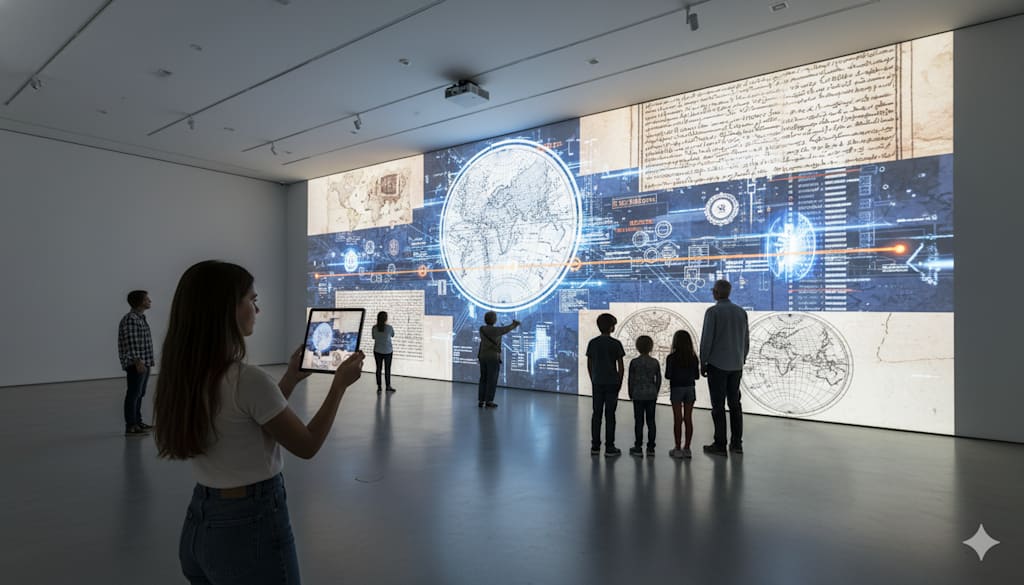
Cultural institutions are sitting on some of the world's most valuable knowledge. Yet a growing number of visitors — especially younger ones — walk through exhibits and feel nothing. They take a photo, glance at a placard, and move on.
This is not an opinion. The American Alliance of Museums has documented a consistent pattern of declining repeat visits among audiences under 35. These visitors grew up with Netflix recommendations, Spotify-generated playlists, and social feeds that adapt to their behavior in real time. They expect any experience — physical or digital — to respond to them personally.
A static display of a 3,000-year-old artifact does not respond to anyone.
That gap — between what cultural spaces currently offer and what modern audiences now expect — is the core problem that digital experience consulting exists to solve.
The Demographic Pressure Is Real and Immediate
By 2026, Millennials and Gen Z together make up the majority of museum-going age groups in most countries. These are digital-native audiences. They are not opposed to culture. They consume it constantly — through documentary series, podcasts, online archives, and interactive media.
What they resist is passivity. They want to participate in stories, not just observe artifacts.
A 2023 Pew Research report on technology and human experiences confirmed that younger adults associate engagement with personalization and interactivity. They expect content to adapt. Physical spaces that cannot do this feel outdated — not historically rich, but simply behind.
Cultural institutions that do not address this will continue losing this demographic — not to competing museums, but to entirely different forms of cultural consumption.
What Digital Experience Consulting Actually Does
Digital experience consulting is not about adding screens to a gallery wall. It goes deeper than that.
Consultants in this space start by auditing visitor behavior. They map where people stop, where they rush, and where they disengage. They combine foot traffic data with digital interaction logs to build data-driven visitor journeys — pathways through an exhibit that respond to what individual visitors actually want to explore.
From there, the work moves into design. This is where immersive storytelling enters. Instead of a placard explaining a Roman helmet, visitors might use an audio guide that adjusts its depth based on their age group or prior selections. Or they might interact with a projection that layers historical footage over a physical display.
These are immersive digital experiences — built through a combination of spatial design, content strategy, and technology integration. They transform passive observation into active participation.
The Role of AI in Cultural Spaces
AI-powered digital experience solutions are changing what's possible inside cultural institutions specifically.
Museums typically have enormous archives — far more than they can display. AI systems can surface relevant archive content dynamically. A visitor reading about a particular period in history can receive related objects, documents, or media automatically — without museum staff manually curating every path.
Custom AI integration also enables multilingual engagement. A visitor from Japan and a visitor from Brazil can experience the same exhibit in completely different ways — different languages, different contextual references, different recommended pathways.
Companies working in digital experience services and solutions, like ViitorCloud, are building these systems for cultural clients. The focus is on integrating AI not as a novelty, but as a tool that makes complex archives genuinely accessible to different audience types.
Hybrid Models Are Now the Standard
Physical visits are one part of modern cultural engagement. The other part happens online — before a visit, after it, or instead of it entirely.
Hybrid engagement models connect both. A visitor who explores an exhibit on a Tuesday afternoon might continue that exploration on their phone during the commute home. They might share a specific artifact with a friend. That friend might visit virtually. The experience does not stop at the museum exit.
A digital experience consulting company helps institutions build this continuity. It requires rethinking content architecture, digital infrastructure, and how institutions measure success. Traditional metrics — annual attendance figures — miss most of this activity.
The Institutional Mindset Shift
The deeper challenge for cultural institutions is philosophical. Many still see themselves primarily as guardians of physical objects. That identity made sense for centuries.
In 2026, it is insufficient.
The institutions gaining ground are treating their collections as raw material for experiences — not as endpoints. They are asking: what story does this object tell? Who needs to hear it? How do we reach them?
Answering those questions requires cross-disciplinary expertise — historians, UX designers, data analysts, and engineers working together. This is what digital experience consulting actually delivers. Not a technology deployment, but a coordinated shift in how an institution defines its role.
The cultural institutions that navigate this shift will matter to a new generation. The ones that do not will increasingly feel like relics — preserved, but not alive.
About the Creator
ViitorCloud Technologies
As a leading software development company, we’ve empowered 500+ startups, SMBs, and enterprises to transform their operations. Upgrade your business with our AI-First Software and Platforms that automate and scale, keeping you future-ready.
Keep reading
More stories from ViitorCloud Technologies and writers in 01 and other communities.
Why "Bolt-On" AI is Dead: Building True AI-First Software in the Next Era of SaaS
The SaaS graveyard is filling up fast. Not with bad ideas — with good products that made one critical mistake. They treated AI as a feature to add rather than a foundation to build on.
By ViitorCloud Technologiesa day ago in 01
Street Performers Around the World: How Busking Shapes Urban Culture
Street performers, also known as buskers, play a vital role in shaping urban culture across the world. As highlighted by Devon Alexis, street performance transforms everyday public spaces into creative hubs where music, art, and human connection come together. From busy city squares to subway platforms, busking offers travelers a unique way to experience the authentic cultural energy of a destination. For those seeking immersive travel experiences, exploring cities through their street performers reveals a deeper, more unfiltered side of urban life.
By Devon Alexis3 days ago in 01



Comments
There are no comments for this story
Be the first to respond and start the conversation.