
How to Create a Balanced Home Workout Routine
by Robert Winn

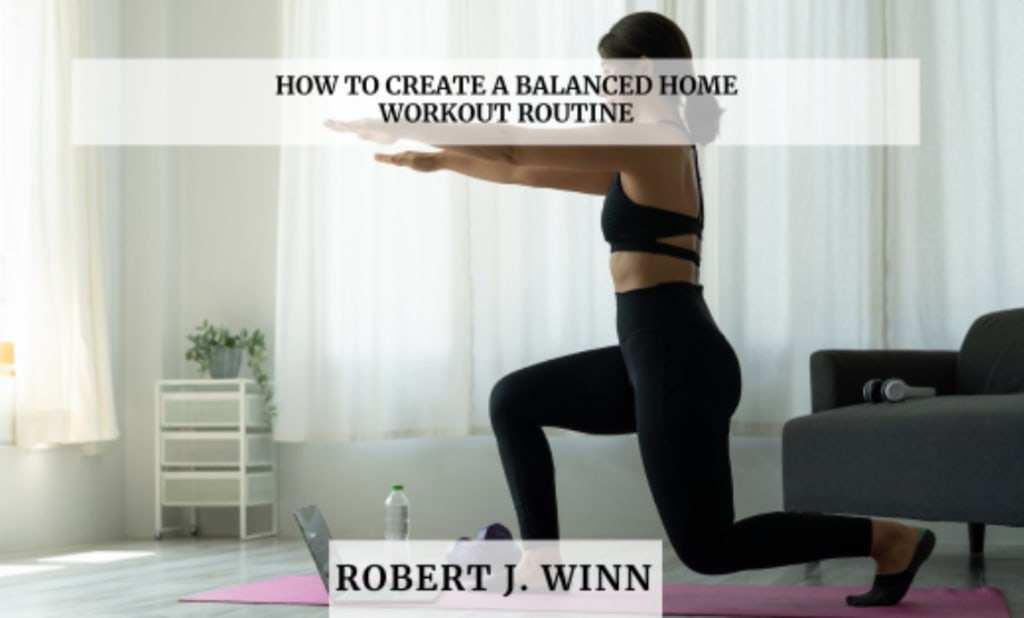
A balanced home workout routine is essential for achieving fitness goals and maintaining overall health. With the right approach, you can design an effective exercise plan that incorporates various types of workouts, keeps you motivated, and fits seamlessly into your daily schedule. A well-structured routine not only helps you build strength and endurance but also improves flexibility, prevents injury, and promotes long-term wellness. Here’s a comprehensive guide to creating a balanced home workout routine that works for your lifestyle.
1. Define Your Fitness Goals
The first step in designing a balanced home workout routine is to assess your fitness goals. Your objectives will determine the types of exercises you include, the intensity of your workouts, and how you track your progress. Take a moment to ask yourself what you want to achieve. Are you looking to build muscle, improve cardiovascular health, increase flexibility, lose weight, or perhaps achieve all of the above?
For example, if your primary goal is to build muscle, you’ll want to prioritize strength training exercises that target all major muscle groups. Incorporating bodyweight exercises like squats, push-ups, lunges, and dips can be very effective, and adding resistance bands or dumbbells will provide additional challenge as you progress.
If improving cardiovascular health is your focus, include aerobic exercises such as running in place, jumping jacks, high knees, or following an online cardio routine. These workouts help strengthen your heart and lungs, increase endurance, and boost energy levels.
It’s also important to consider secondary goals such as flexibility and core strength. Even if your main focus is weight loss or strength building, integrating flexibility and mobility exercises, like yoga or dynamic stretches, will improve your range of motion, prevent injuries, and support better performance in other workouts.
By clearly defining your fitness goals, you can create a targeted and efficient routine that aligns with your personal needs, helping you stay motivated and committed to your plan.
2. Incorporate a Variety of Exercises
A truly balanced home workout routine incorporates different types of exercises to ensure your body develops evenly and remains healthy. Here are the key components to include:
Cardiovascular Exercises: Cardio workouts elevate your heart rate, increase stamina, and improve overall cardiovascular health. Activities like jumping jacks, running in place, brisk walking, or cycling are effective at home and require little or no equipment. Aim for at least 150 minutes of moderate-intensity cardio or 75 minutes of vigorous-intensity cardio per week, depending on your fitness level.
Strength Training: Strength workouts help build muscle, improve metabolism, and support joint stability. You can use bodyweight exercises such as push-ups, squats, lunges, and planks, or add resistance bands or dumbbells to increase intensity. Ensure that your strength training routine targets all major muscle groups at least twice a week, alternating between upper body, lower body, and full-body exercises.
Flexibility and Mobility: Stretching and mobility exercises enhance your range of motion, improve posture, and reduce the risk of injuries. Incorporate static stretches after workouts and consider dedicating at least one session per week to yoga or a flexibility-focused routine. These exercises also help relax the body and mind, making your fitness journey more enjoyable.
Core Workouts: A strong core supports balance, stability, and posture. Include exercises like planks, bicycle crunches, Russian twists, and leg raises to strengthen your abdominal and lower back muscles. Core workouts can be done multiple times per week and are often combined with strength or cardio routines for maximum effect.
Including a variety of exercises ensures your routine addresses all aspects of fitness—cardiovascular health, muscular strength, flexibility, and core stability—creating a well-rounded program that promotes long-term health and performance.
3. Plan, Track, and Stay Consistent
Once you know your goals and the types of exercises to include, it’s time to plan a weekly schedule. A well-structured plan helps balance different workouts throughout the week while allowing for rest and recovery. Here’s an example of a weekly home workout schedule:
Monday: Cardio (e.g., 30 minutes of running, brisk walking, or HIIT)
Tuesday: Strength Training (e.g., full-body workout with dumbbells or resistance bands)
Wednesday: Flexibility and Mobility (e.g., yoga or stretching routine)
Thursday: Cardio (e.g., high-intensity interval training or dance cardio)
Friday: Strength Training (e.g., upper or lower body-focused session)
Saturday: Core Workouts (e.g., planks, leg raises, and rotational movements)
Sunday: Rest or Light Activity (e.g., a gentle walk or stretching session)
Setting realistic, progressive goals is crucial. Start with manageable sessions, such as 20–30 minutes, and gradually increase the intensity, duration, or complexity as your fitness improves. Tracking your progress, whether through a fitness journal or an app, helps you stay accountable and motivated.
Consistency is the key to success. While sticking to your schedule is important, life is unpredictable, and flexibility matters too. If you miss a workout, don’t get discouraged—simply adjust your routine and continue. Remember, building sustainable habits over time is far more effective than short bursts of intense effort followed by burnout.
Final Thoughts
Creating a balanced home workout routine involves more than just exercising daily. It requires understanding your goals, incorporating a variety of exercises, planning a weekly schedule, setting realistic objectives, and staying consistent. By combining strength, cardio, flexibility, and core training, you develop a program that addresses all aspects of fitness and promotes long-term health.
With the right approach, a home workout routine can be flexible, efficient, and enjoyable, allowing you to make steady progress toward your fitness goals without stepping foot in a gym. Remember, fitness is a journey, and consistency, variety, and a structured plan are your most effective tools for success.
By following these steps, you can create a sustainable home workout routine that strengthens your body, boosts your endurance, and enhances flexibility, all while fitting seamlessly into your lifestyle.
About the Creator
Robert Winn
Family physician Robert J. Winn, who is based in Haddon Township, has over 15 years of experience. He is dedicated to providing the best possible care to his patients and working with those who face barriers to healthcare.
Keep reading
More stories from Robert Winn and writers in Education and other communities.
The Impact of Sleep on Chronic Illness Management
It is well established that sleep is important in the general well-being of the population. Still, for patients suffering from chronic conditions like diabetes, heart disease, autoimmune diseases, and others, sleep is an essential aspect of disease management. Studies have continuously shown that sleep quality and duration can influence the body’s reaction to chronic conditions.
By Robert Winnabout a year ago in Chapters
I Live By the Bottle
For about a week I had the Norovirus. The Norovirus is a gastrointestinal virus that causes vomiting and diarrhea. Most people get over it within three days. It is troublesome for the elderly and young children, as well as people with medical conditions. I, myself, have a rare medical condition called Nephrogenic Diabetes Insipidus.
By Sid Aaron Hirjiabout 14 hours ago in Education
Something Is Beginning, I Think Challenge Winners
This challenge wasn’t about clean starts. It was about that weird in-between where something is beginning, but no one really knows what yet. A lot of these stories leaned into hesitation, into pauses and false starts and that feeling that something is about to happen but hasn’t quite.
By Vocal Curation Team6 days ago in Resources




Comments
There are no comments for this story
Be the first to respond and start the conversation.