
Teach Self-Control to Kids: 10 Techniques That Actually Work
Self-Regulating Kids Become Emotionally Healthy Adults


Teaching self-regulation to children is one of the most important things that we can do as parents. When children who do not know how to handle emotions become adults, they are angry and have little to no self-control. Teaching them ways to calm themselves down and regulate is essential to doing better for the next generation. Here are ten ways that you can teach self-regulation to your kids.

1. Understand the Signals
Teaching our children to listen to their bodies may be the number one way to teach them self-regulation. The first step is to get them to pause. No child hears anything you are saying when they are at their emotional peak. Sometimes this means talking them down, and sometimes this means giving them space.
The important thing, and probably the hardest thing, is not to let your child’s emotions affect yours while you are helping them self-regulate. This means you have to remain calm no matter how they feel.
I understand that this can be hard, more than you know. We feed off the emotions around us, and so do our kids. When anyone’s emotions are heightened, it affects the environment around us.
But you are the parent in this scenario. That means that when they are handling big emotions, it is not the time for you to do so. You absolutely can later in whatever way you need to but in those moments, our kids need us to be their sounding board.
Once we can get them to a place of calm, then we can talk through how emotions like anxiety, anger, sadness, and others physically show up in our bodies. We can also show them healthy ways to manage them.

Anxiety and fear can feel like your chest tightening, heart racing, nausea, sweaty palms, and restlessness. For parents, this can look like your child being extra clingy, repeating the same questions over and over again, trouble sleeping, or getting overwhelmed by the smallest things. You may see them fidgeting or picking at their skin.

Anger shows up as flushed red skin, tense body, fast movements, and clenched fists. This can be seen as your child yelling, hitting, arguing, defying, and having explosive reactions. It is important to recognize that this is a stress response and not simply acting out for no reason.

Sadness can feel like a heavy chest, low energy, pressure behind the eyes, and a general sense of slowing down. For parents, this can look like your child withdrawing, losing interest in things they normally enjoy, crying over what seems like small things, or just seeming more tired than usual. You may notice them moving more slowly, speaking more quietly, or wanting extra comfort, or sometimes pushing it away altogether.

Guilt and shame can feel like a tight stomach, tension in the face, and an urge to hide or shrink. For parents, this can look like your child avoiding eye contact, hiding mistakes, lying to stay out of trouble, or reacting very strongly to small corrections. You may hear them say things like “I’m bad” instead of recognizing that they just made a mistake.
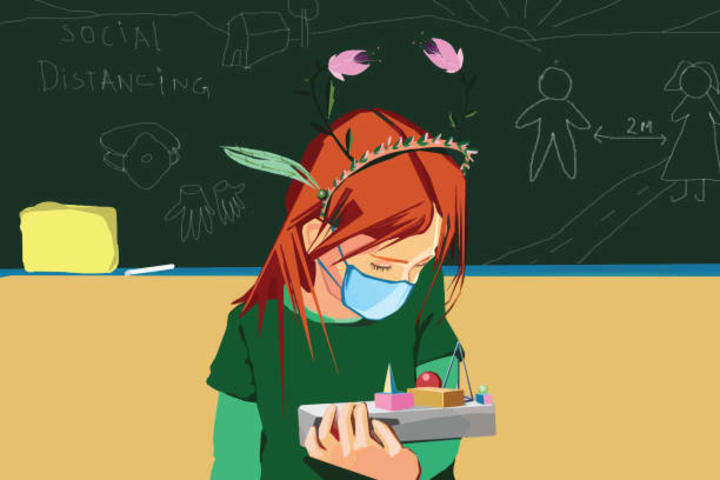
Overwhelm can feel like head pressure, irritability, brain fog, and a strong urge to escape or shut down. For parents, this can look like sudden meltdowns that seem to come out of nowhere, a refusal to do simple tasks, or a complete shutdown. You may notice increased sensitivity to noise, textures, or lights, along with behaviors such as covering your ears, zoning out, or repetitive movements.

Joy and happiness feel like a relaxed body, lightness in the chest, and steady, natural energy. For parents, this can look like your child being more playful, curious, and talkative. You may notice they are more flexible, better able to handle small frustrations, and generally more engaged with the world around them.

Love and connection feel like warmth in the chest, relaxed muscles, and a sense of safety. For parents, this can look like your child seeking closeness, wanting to be near you, showing affection, or feeling comfortable enough to be themselves without hesitation. You may notice softer expressions, calm energy, and a willingness to connect.
2. Name the Feeling (Even When They Can’t)
One of the biggest mistakes we make as parents is expecting kids to explain something they themselves don’t even understand. We ask, “What’s wrong?” or “Why are you acting like this?” and the truth is, most of the time, they genuinely don’t know. Their body is reacting before their brain has caught up, and we’re asking them to translate something they haven’t yet learned the language for.
That’s where we come in.
Instead of waiting for them to tell you what they’re feeling, you start naming it for them. Not perfectly, not every time, but consistently. You say things like, “I can see you’re frustrated,” or “That felt really overwhelming,” or even “You seem really angry right now.” What you’re doing in that moment is building a bridge between their body and their brain.
Because right now, those two things are disconnected.
Their body is tight, their chest feels weird, their thoughts are racing, or maybe everything just feels like too much. But without language, all of that turns into behavior. Yelling, hitting, shutting down, refusing, melting down. The behavior becomes the communication because they don’t have anything else.
When you name the feeling, you’re giving them something else.
And here’s the important part: it doesn’t have to be perfect. You’re going to get it wrong sometimes. That’s okay. This isn’t about being right, it’s about modeling. Even if you say “you’re frustrated” and they’re actually overwhelmed, you’re still showing them how to connect an internal experience to a word. Over time, they start correcting you. “I’m not frustrated, I’m just tired.” That’s progress. That’s awareness.
Another thing to understand is that naming the feeling helps de-escalate it. When a child feels seen and understood, their body starts to settle. Not instantly, not magically, but noticeably. It’s the difference between being alone in a storm and having someone stand next to you and say, “Yeah, I see it too. This is a lot.”
And for kids who struggle more with communication, especially neurodivergent kids, this becomes even more important. They may not have the ability to articulate what’s happening internally, but that doesn’t mean they’re not experiencing it just as intensely, if not more. Your words become their guide until they can build their own.
This also shifts the dynamic between you and your child. Instead of feeling like you’re constantly correcting behavior, you start to feel like you’re understanding it. And that changes how you respond. You’re not just reacting to what they’re doing, you’re responding to what they’re feeling.
Over time, this builds emotional vocabulary, self-awareness, and eventually, self-regulation. Because once they can name what they’re feeling, they can start to manage it.
But it starts with you doing it for them.
3. Regulate Yourself First
This is the one no one wants to hear, but it’s probably the most important.
Your child cannot regulate if you are not regulated.
Kids don’t just listen to what we say, they read our tone, our body language, our energy. They pick up on everything. So if they are already overwhelmed, and we come in frustrated, loud, or tense, we’re not calming the situation; we’re adding fuel to it.
And it makes sense. Their nervous system is already in fight-or-flight mode. If yours is too, now you have two dysregulated people trying to control the same moment.
It doesn’t work.
Regulating yourself first doesn’t mean you never get frustrated. You will. You’re human. But it does mean you become aware of it and make a conscious decision not to let your reaction take over the situation.
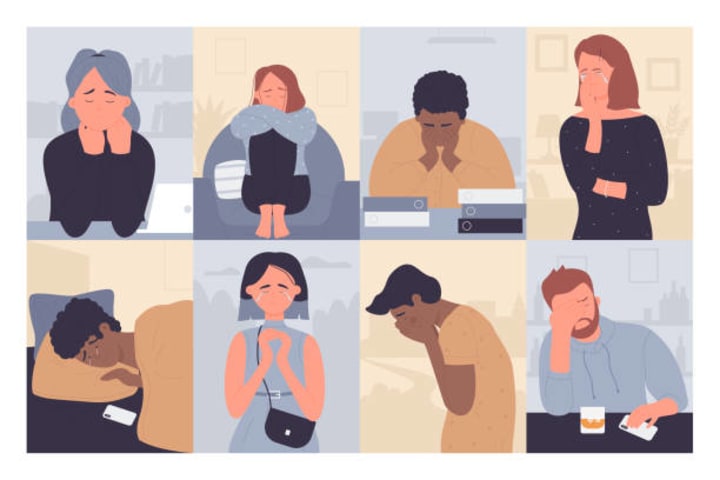
Sometimes that looks like pausing before you respond. Sometimes it’s taking a breath. Sometimes it’s literally stepping away for a moment if it’s safe to do so. It’s giving yourself just enough space not to react automatically.
Because reacting is easy. Responding takes intention.
When you stay calm, even when your child is not, you become an anchor for them. Your calm doesn’t instantly fix everything, but it gives their nervous system something to mirror. Over time, they start to learn what regulation looks like, not because you explained it, but because you showed it.
And this is especially important in high-stress moments. When your child is yelling, hitting, or completely overwhelmed, your instinct might be to match that intensity. Raise your voice, shut it down, take control. But that usually escalates things further.
Instead, lowering your voice, slowing your movements, and staying grounded can help bring the intensity down. It feels counterintuitive at first, but it works because you’re not feeding the chaos.
This doesn’t mean you don’t have boundaries. You absolutely do. You can still say “I won’t let you hit” or “I’m here, but we’re not doing that.” The difference is how you say it. Calm, firm, and steady instead of reactive and emotional.
And here’s the hard truth: this takes practice. Especially if you didn’t grow up seeing this modeled for you. A lot of us are learning regulation at the same time we’re trying to teach it.
But that’s okay.
Because every time you pause instead of react, every time you stay calm when it would be easier not to, you’re not just changing that moment, you’re teaching your child something they’ll carry long-term.
You’re showing them what it looks like to stay in control when emotions are high.
And that’s something they will learn far more from watching you than from anything you say.
4. Create a Calm-Down Space
When kids are overwhelmed, the last thing they need is punishment disguised as space. Sending them to their room without support doesn’t teach regulation; it teaches isolation.
A calm-down space is different.
It’s not a place they go because they’re in trouble. It’s a place they go because their bodies need help settling. The intention behind it matters just as much as the space itself.

This doesn’t have to be anything elaborate. It can be a corner of a room, a chair, a small area with soft lighting, or even just a specific, consistent spot. What matters is that it feels safe, predictable, and calming.
You can include things that help regulate their body. Soft blankets, stuffed animals, sensory items, fidgets, books, or anything that helps them decompress. For some kids, it might be headphones or a quiet space away from noise. For others, it might be something they can squeeze, hold, or focus on.
The goal is to give their nervous system a place to reset.
But just having the space isn’t enough. You have to teach them how and when to use it. Not in the middle of a meltdown, but during calm moments. Show them, practice it, talk about it. Make it a normal part of their routine, not something that only happens when things go wrong.
You might say, “When your body starts to feel overwhelmed, this is a place you can go to help it calm down.” You’re giving them a tool, not a consequence.
Another important piece is that, especially at first, they may not go there independently. You might need to guide them, or even sit with them. Co-regulation comes before self-regulation. They learn how to calm down by doing it with you before they can do it on their own.
And sometimes, they won’t want to go at all. That’s okay too. You’re not forcing it, you’re offering it. Over time, as they begin to associate that space with feeling better, they’ll start to use it more naturally.
This also helps shift the way they view their emotions. Instead of something that gets them in trouble, their feelings become manageable. Something they have tools for.
And that’s the goal.
Not to stop the emotion, but to give them a way through it.
5. Teach Simple Breathing Techniques
When kids are overwhelmed, their breathing changes before anything else. It gets fast, shallow, and uneven. That alone can keep their body stuck in a stress response, even if the original trigger has passed. Teaching them how to control their breathing gives them a direct way to calm their body down.
The key here is simple. Not complicated techniques, not long instructions, just something they can actually remember and use in the moment.
Things like “smell the flower, blow out the candle” or counting breaths are effective because they’re easy to visualize and repeat. You’re not just telling them to calm down, you’re giving them a physical way to do it.
But here’s the part that matters most. You cannot introduce this for the first time in the middle of a meltdown and expect it to work. When a child is fully overwhelmed, their brain is not in a place to learn something new. That’s why this needs to be practiced during calm moments.
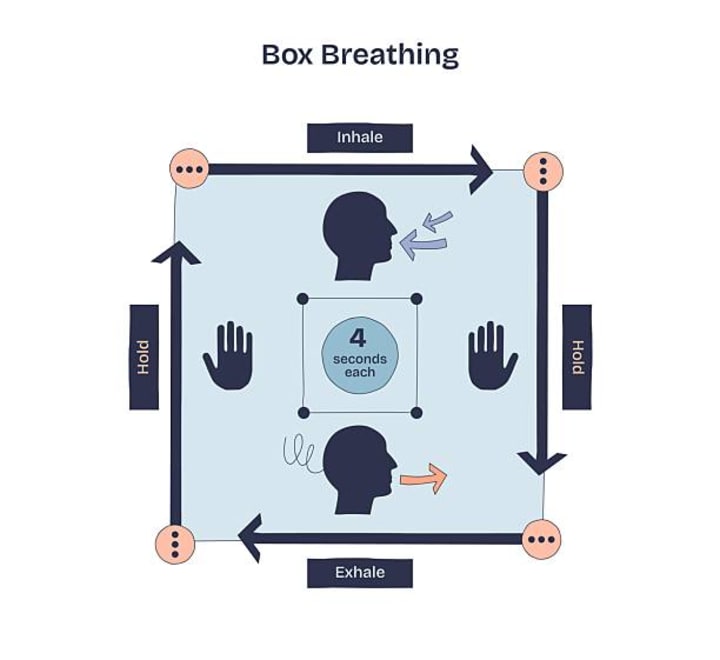
Make it part of your normal routine. Do it together when things are good. Practice before bed, in the car, or during quiet moments. The goal is to make it familiar so that when they do need it, it’s not something new, it’s something known.
You can also model it in real time. Instead of saying “go take a breath,” you take one yourself and invite them to join you. “Let’s take a breath together.” That small shift makes a big difference. It turns it into something shared instead of something they’re being told to do.
Over time, breathing becomes a tool they can reach for on their own. Not every time, not perfectly, but enough to start building that connection between their body and how to calm it.
And that’s the goal. Not perfection, just access.
6. Use Movement to Release Emotion
Kids are not built to sit still through big emotions. When their bodies are overwhelmed, they need an outlet. Trying to force stillness in those moments usually makes things worse, not better.
Emotion creates physical energy in the body. If that energy has nowhere to go, it builds. That’s when you see escalation. More yelling, more resistance, bigger reactions. Movement gives that energy somewhere to go.
This doesn’t have to look structured. It can be jumping, pacing, running, squeezing a pillow, throwing a ball, or even just going outside for a few minutes. The goal is not to control the movement; it’s to allow it in a safe way.

For some kids, especially those who are more sensory-driven, movement is not optional; it’s necessary. It’s how their body processes what they’re feeling.
As a parent, this requires a mindset shift. Instead of trying to stop the behavior immediately, you redirect it. “You can’t hit, but you can squeeze this,” or “Let’s go outside for a minute.” You’re still holding boundaries, but you’re giving an alternative that actually helps.
This is also something you can anticipate. If you know your child struggles at certain times of the day or after certain activities, build movement into their routine before things escalate. A short walk, a few minutes outside, or even just a quick reset can prevent a bigger reaction later.
Movement is one of the most underused tools for regulation, but it’s one of the most effective. It meets the body where it is instead of fighting against it.
7. Build Predictable Routines
Kids regulate better when their environment feels predictable. When they know what to expect, their nervous system isn’t constantly trying to figure out what’s coming next.
Uncertainty creates stress. Even small things, like not knowing what’s happening after school or when dinner will be ready, can add up, especially for kids who already struggle with regulation.
Routines don’t have to be rigid, but they do need to be consistent. Simple things like having a predictable morning flow, a set bedtime routine, or a general structure to the day can make a big difference.
What this does is reduce the number of decisions and unknowns your child has to process. Their brains aren’t constantly on alert, which leaves more room for emotional regulation.
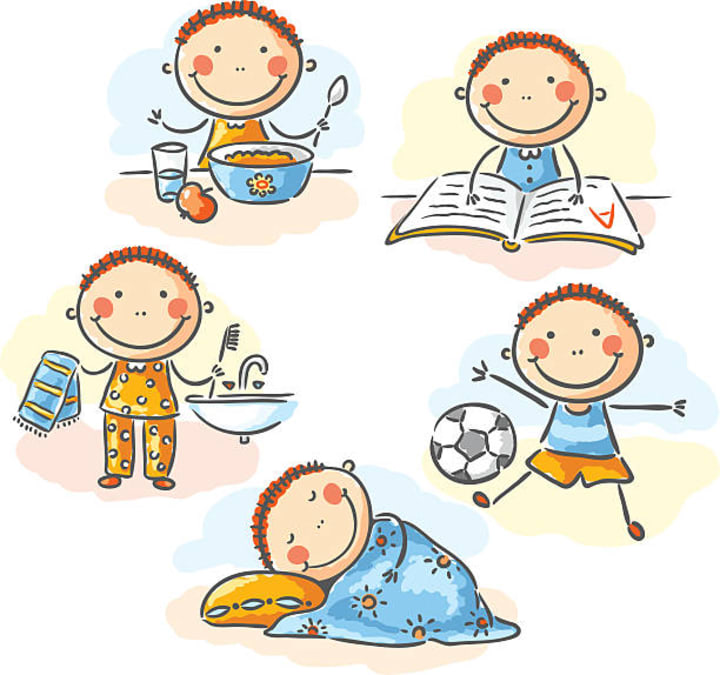
It also helps during transitions, which are often the hardest moments for kids. Moving from one activity to another can feel overwhelming if it’s unexpected. But if they know what’s coming and have time to prepare, it becomes easier to handle.
You can support this by giving warnings before transitions. “In five minutes, we’re leaving,” or “After this, it’s time for dinner.” That small step helps their brain shift gradually instead of abruptly.
For some kids, visual schedules or routines can help even more. Seeing what’s coming next can make things feel more concrete and less overwhelming.
The goal isn’t control, it’s safety. Predictability creates a sense of stability, and that stability supports regulation.
8. Teach Problem-Solving After the Moment
One of the biggest mistakes we make is trying to teach lessons in the middle of a meltdown. It doesn’t work.
When a child is overwhelmed, their brain is in survival mode. They are not thinking logically, not processing consequences, and definitely not learning new skills. That part of the brain is offline.
This is why timing matters.
The real teaching happens after, when they are calm. That’s when you can go back and talk through what happened. Not in a blaming way, but in a curious, supportive way.
You might say, “That was really hard earlier. What did your body feel like?” or “What do you think we could try next time?” You’re helping them reflect without shame.
This is where problem-solving starts to develop. You’re not just correcting behavior, you’re building skills. You’re helping them connect the situation, their feelings, and a possible response for next time.

It doesn’t have to be long or complicated. Even short conversations can make a difference if they’re consistent.
Over time, this helps kids build awareness and ownership. They start to recognize patterns and think ahead. Not perfectly, not every time, but enough to grow.
And that’s what matters.
9. Validate Before You Correct
If a child feels misunderstood, they escalate. It’s that simple.
When we jump straight to correction without acknowledging how they feel, it can make things worse. Not because they’re trying to be difficult, but because they feel unseen.
Validation doesn’t mean you agree with the behavior. It means you acknowledge the feeling behind it.
You can say things like, “I can see why that upset you,” or “That was really frustrating.” You’re letting them know that their experience makes sense, even if their reaction needs guidance.
This lowers defensiveness. When a child feels understood, they’re more open to listening. Their bodies begin to settle, making it possible to guide them.
Then you can correct or redirect. “I get that you’re angry, but I won’t let you hit,” or “It’s okay to be upset, but we’re not throwing things.” You’re holding both things at once. The feeling is valid; the behavior has limits.
This balance is what teaches regulation. Not just stopping behavior, but understanding it and responding to it in a way that builds trust.
10. Practice When They Are Calm
You cannot teach regulation in chaos. It has to be practiced when things are calm.
This is where a lot of parents get stuck. We wait until there’s a problem to introduce a solution, but by then it’s too late to learn.
Think of regulation like any other skill. You wouldn’t expect a child to learn how to ride a bike in the middle of a storm. The same idea applies here.
Practice breathing, talk about emotions, use the calm-down space, and go through different strategies when your child is already regulated. Make it part of everyday life, not just something you pull out during hard moments.
You can even make it simple and casual. Talk about feelings during the day, point them out in books or shows, or reflect on moments after they happen. The goal is repetition without pressure.
This builds familiarity. So when a hard moment does come, those tools are not new; they’re known.
And even then, they won’t use them every time. That’s normal. Learning regulation is a process, not a switch.
But every time you practice, every time you model, every time you guide them through it, you’re building that skill.
Slowly, consistently, and in a way that lasts.
Self-regulation is not something kids just learn on their own. It’s something they are taught, over time, through us.
Not in perfect moments, but in the hard ones. The loud ones. The ones where nothing seems to be working and you’re questioning if anything you’re doing even matters.
It does.
Every time you pause instead of react, every time you name a feeling, every time you choose to understand instead of just correct, you are building something in your child that they will carry long after these moments pass.
Self-regulation isn’t about raising a quiet, compliant child. It’s about raising a child who understands what’s happening inside their own body and knows what to do with it. A child who can move through anger without hurting others, sit with sadness without shutting down, and face overwhelm without completely losing control.
That doesn’t happen overnight. And it doesn’t happen perfectly.
There will still be meltdowns. There will still be hard days. There will still be moments where you get it wrong. That’s part of it.
Because this isn’t just about teaching your child how to regulate. It’s about learning it alongside them.
And maybe that’s the most important part.
You are not just managing behavior. You are shaping how your child will experience emotions, relationships, and themselves for the rest of their life.
That work is not small.
Even on the days it feels like it is.
About the Creator
Brooke Moran
Giving myself a 365 day writing challenge where I have to write a piece of fiction or poetry at least once a day for 365 days.
Keep reading
More stories from Brooke Moran and writers in Families and other communities.
Exhaustion of Motherhood
Sometimes I wonder if all mothers feel guilty for the strange things. I hear all the time that no one could possibly be my son’s mother except me. I think that is true for all parents. I think that we should be the ones that our kids need. Children deserve patience, love, and understanding.
By Brooke Moran5 days ago in Families
Celebrating Mother's Day When Your Mom Has Passed Away
Losing Your Mom If you have lost your mom, it's difficult enough, but it's even harder when her special day comes around. I know how it feels. I lost my mother. The first year was the worst. I remember how lost I felt. I just couldn't understand why she had to die when so many other people I knew still had their mothers.
By Janis Masyk-Jackson4 days ago in Families
A Dad Who Almost Went Straight to Court, Until He Booked a MIAM
I had the number saved in my phone for three weeks before I actually rang it. A solicitor, someone a mate had used when his own marriage fell apart. I'd type out the message, hover over send, then put the phone face-down on the kitchen counter and go and make another cup of tea I didn't really want.
By Jess Knaufa day ago in Families
Foraging Appalachia’s Wild Edibles
It's that time of year again and Appalachia offers a remarkable abundance for anyone willing to learn its seasonal gifts and practice careful gathering. Across ridges, holler's, stream-side's, and meadows, edible plants, berries, roots, and fungi appear through every part of year. Knowledge is key and teaches not only what can be eaten, but also how to gather with respect so that these resources remain available far into future.
By Tim Carmichael2 days ago in Feast




Comments
There are no comments for this story
Be the first to respond and start the conversation.