
The Most Significant Naval Battles of World War II
Remembering the Naval Confrontations of World War II
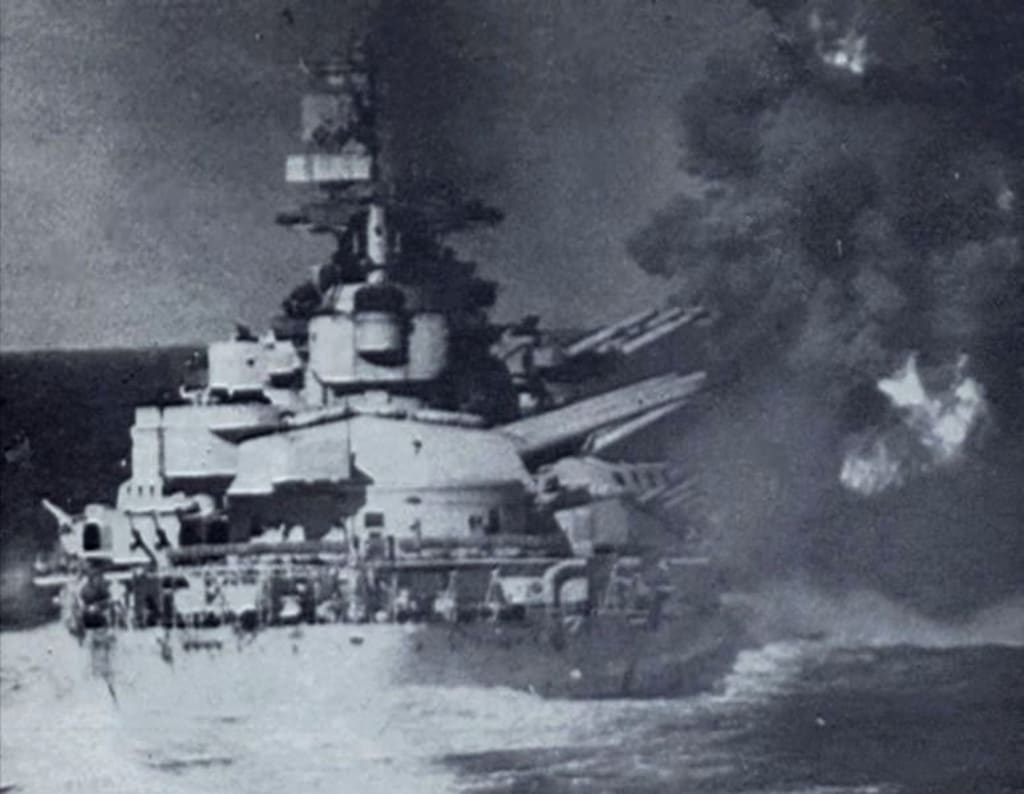
Naval battles of World War 2 are sometimes forgotten. However, some of the most notable Pacific battles were at sea, and naval battles in the Mediterranean were also important to the Allies in north Africa and the landings on Italy. In the end, the naval superiority of the USA and Britain was an important factor in the war.
The Battle of the River Plate
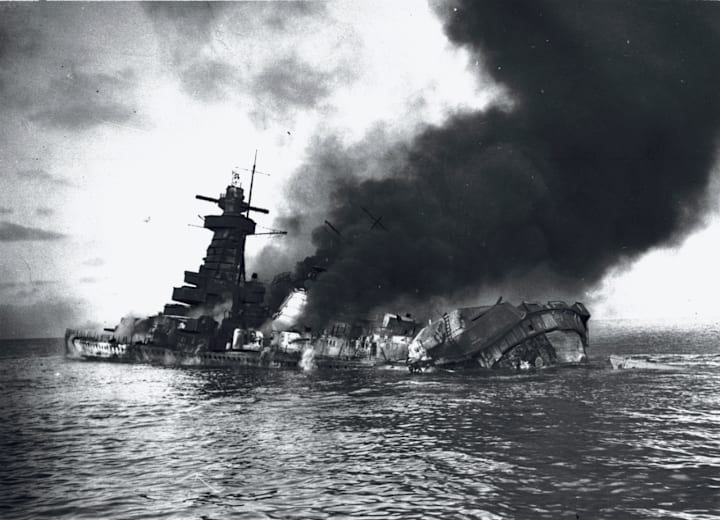
The Battle of the River Plate was one of the smaller naval battles of World War 2 in 1939. In fact, it involved only a handful of ships, a few cruisers, and the Graf Spee battleship. Fought off the River Plate estuary, the ships of the Royal Navy opened fire and pursued the Graf Spee battleship to the port of Montevideo. While the Graf Spee was able to hit the cruisers, the Graf Spee was forced to leave Montevideo as more Royal Navy ships surrounded the port. Outnumbered, the ship left port and was scuttled by the German captain. While casualties were light on both sides, with the sinking of the Graf Spee, the battle was considered a victory for the Royal Navy.
The Battle of Midway
A far more significant naval battle of World War 2 was that of the Battle of Midway in 1942. This was between the American and Japanese naval fleets. As the Japanese aimed to capture Midway Island and trap American carriers, both sides organised big fleets around Midway. Air-craft carriers were the key naval vessels for this battle, as American SBD dive-bombers launched were able to strike and sink four Japanese aircraft carriers and hundreds of supported aircraft. The strategic impact of the battle was significant, as Japan lost most of its carrier fleet. From here on, the USA would gain increasing naval superiority in further Pacific battles.
Battle of Taranto
The Battle of Taranto, in 1940, was a surprise attack by the Royal Navy on the potent Italian fleet at Taranto. Upon entering the war, Italy had the 4th largest naval fleet, which posed some potential strategic problems to Allied naval superiority in the Mediterranean Sea. As such, at Taranto, the Royal Navy fleet bombed Italian battleships stationed, sinking one and putting two others effectively out of action. As such, the Italian navy lost half of its battleships, giving Britain a big advantage in the Mediterranean.
The Battle of Cape Matapan
Following on from the success of the Battle of Taranto, the Royal Navy aimed to deal a further blow to the Italian navy off Cape Matapan in 1941. As the Italian fleet moved to attack convoys in the Mediterranean, the fleet was intercepted by Britain. This allowed for the Royal Navy to send a fleet to meet the Italians off the coast of Cape Matapan. The Italians were poorly informed of the potential Royal Navy fleet that actually included three battleships, several cruisers, and the aircraft carrier HMS Formidable. With this, the Royal Navy was able to sink three Italian cruisers and 2 destroyers. With such losses, the remaining Italian fleet was rarely used for the rest of the war, leaving the Allies to engage Rommel in North Africa and then the Italian army in Italy in 1943.
Leyte Gulf
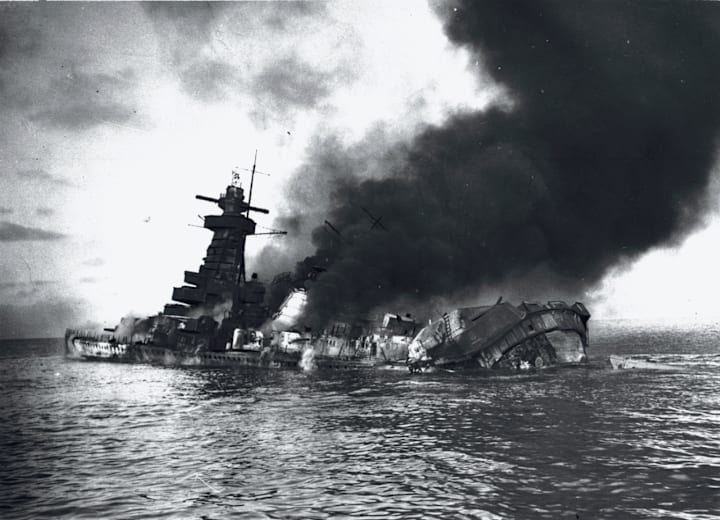
The largest naval battle of World War 2 was that of Leyte Gulf in 1944. At this time, the Allies had advanced into the Marianas and had targeted Leyte Island as a platform for capturing the Philippines. With this, they would then cut off Japanese oil supplies. As such, to prevent such landings, the Imperial Japanese Navy dispatched a fleet to Leyte Gulf. The naval battle that followed saw the IJN lose most of its remaining ships, including three light carriers, eight cruisers, and three battleships, and up to 12 destroyers. With such losses, Leyte Island could not be held, and the remaining IJN ships retreated to port. As such, it was an important naval battle of World War 2 that gave the Allies clear naval superiority in the Pacific, and was also the last naval battle of the Pacific war.
Battle of the Philippine Sea
In 1944, the Allies advanced towards the Marianas. To halt the Allied advance, the IJN moved towards the Marianas and Philippine sea. This fleet included 5 fleet carriers, as well as 4 light carriers. However, it was not enough against the USA's Fifth Fleet, and indeed the American air force that outmatched the Japanese. The increasing obsolescence of Japanese planes against the Americans' more potent F6F Hellcat fighter plane gave the USA air superiority in the battle. The IJN lost about 600 aircraft during the battle, as well as three carriers. With such losses, the IJN retreated and was left with little aircraft support for the remainder of the war.
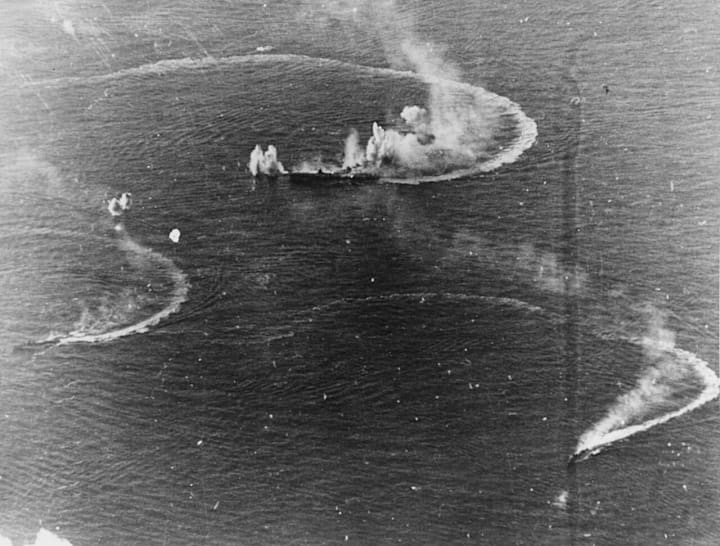
These were a few of the most notable naval battles of World War 2. In both the Pacific and the Mediterranean, the American and British fleets defeated the most potent Axis navies of Japan and Italy. Overall, these naval victories allowed for further Allied landings in the Pacific and in the Mediterranean.
About the Creator
Matthew A
Matthew is the author of Battles of the Pacific War 1941-1945. Battles of the Pacific War is available on Amazon and Lulu in e-book and paperback formats. Check out the book’s blog at battlesofthepacificwar.blogspot.co.uk.
The World’s BIGGEST Airplane & Its Crazy Transport Network
The Giant's Journey: How Airbus Transports the World's Largest Planes Airbus is a European powerhouse, producing nearly three aircraft every single day. But there is a massive catch: the parts for these planes are manufactured in different countries—wings in the UK, tails in Germany and Spain, and fuselage sections in France. Bringing them all to the final assembly line in Toulouse, France, is one of the most complex transport puzzles in the world.
By Imran Ali Shah7 days ago in History
Scones
Alright, let's not fuck about - here is what you need: Ingredients: 350g self raising flour 90g butter pinch of salt tsp of baking powder 3 tbsp caster sugar (or just normal white sugar would probably be fine) 175ml milk a squeeze of lemon a drop of vanilla an egg fresh strawberries, if they're in season Extra flour Even more flour Dried fruit (I consider this completely optional and usually leave it out)
By L.C. Schäfer6 days ago in Feast



Comments
There are no comments for this story
Be the first to respond and start the conversation.