
Why the Ancient Biblical Texts Differ From the Modern American Bible
Historical and Factual Examination

Introduction
Questions about why the modern American Bible differs from ancient biblical texts are not only understandable but necessary. These differences have been shaped by language barriers, manuscript transmission, political power, theological debates, and historical context. Importantly, confusion often arises from the belief that there was once a singular, unified “original Bible” that later became altered. Historically, this assumption is incorrect.
The Bible did not originate as a single book, nor was it written in English, nor was it compiled with any one modern culture in mind. What exists today as the American Bible is the result of centuries of preservation, translation, selection, and interpretation. This article examines—factually and without speculation—how those processes occurred and why differences exist.
Chapter 1: The Myth of a Single “Original Bible”
There has never been a single original Bible. Instead, the biblical corpus emerged over a period of roughly 1,200 years through independent writings produced in different regions, languages, and historical circumstances.
The texts later gathered into the Bible originated as:
* Individual scrolls
* Oral traditions recorded in writing
* Letters written to specific communities
* Historical accounts preserved through scribal copying
These writings existed independently long before any formal collection was recognized as “the Bible.” The concept of a bound book containing all biblical texts did not appear until centuries after the last New Testament writings were completed.

Chapter 2: Original Biblical Languages
Hebrew
Most of what is now called the Old Testament (or Hebrew Bible) was written in ancient Hebrew. Hebrew is a compact language with layered meanings. One word can carry legal, spiritual, poetic, and cultural meaning simultaneously.
Ancient Hebrew often lacks:
* Vowel markings (added later)
* Verb tense distinctions found in English
* Abstract philosophical terms common in Western languages
This means translators must interpret meaning, not simply replace words.
Aramaic
Portions of the Old Testament were written in Aramaic, a related but distinct Semitic language. Aramaic was widely spoken in the Near East during later periods of Hebrew history and during the time traditionally associated with Jesus.
Greek
The New Testament was written primarily in Koine Greek, a common dialect used across the eastern Roman Empire. This Greek was not philosophical Greek but practical, conversational Greek, heavily influenced by Hebrew thought patterns.
Greek words often carry multiple meanings that shift depending on context. Translating them into English frequently forces a single meaning where the original allowed several.
Chapter 3: Manuscripts, Not Originals
No original biblical manuscripts exist today. All existing ancient texts are copies of copies, produced by scribes.
Scribes:
* Copied texts by hand
* Worked under varying conditions
* Occasionally made spelling errors, word substitutions, or clarifications in margins
Importantly, there is no evidence of a coordinated effort to alter doctrine across manuscripts. Instead, most variations are minor and expected in hand‑copied documents.
Different regions preserved different manuscript traditions. Over time, scholars compared them to determine reliability and consistency.
Chapter 4: Early Jewish and Christian Collections
Hebrew Canon Development
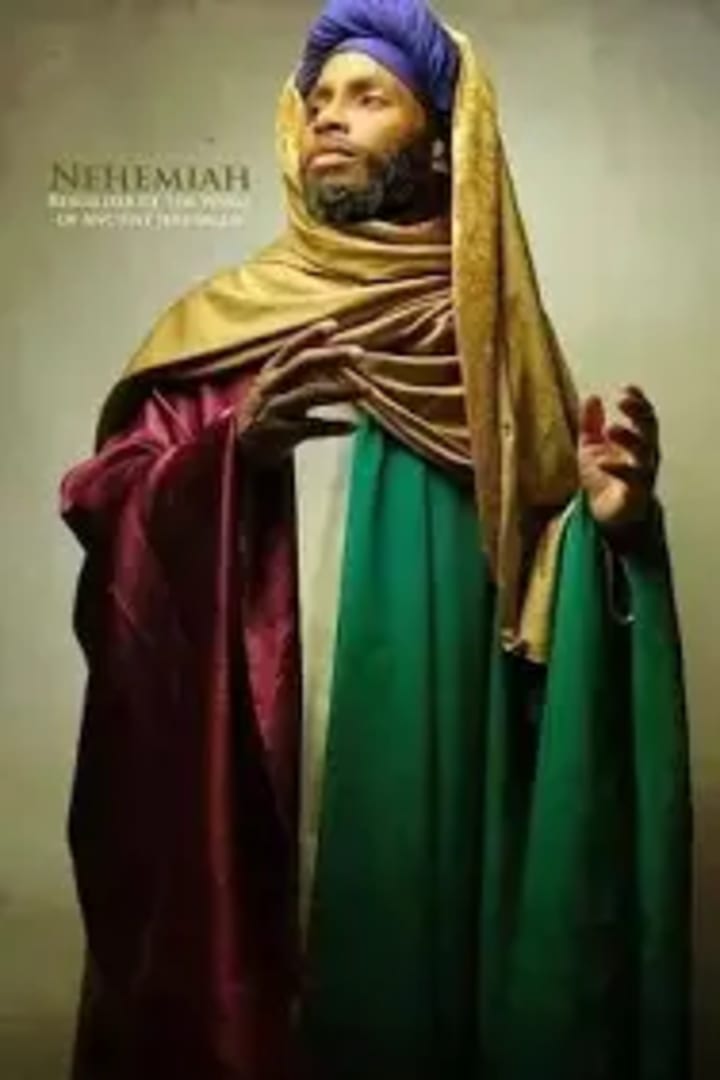
Jewish communities maintained collections of sacred writings, but even these were debated. Some books were universally accepted, while others were disputed for centuries before consensus emerged.
Early Christian Usage
Early Christians did not initially possess a formal New Testament. They used:
* Hebrew scriptures (later called the Old Testament)
* Letters from apostles
* Gospel accounts circulating independently
Acceptance of certain books depended on:
* Widespread use
* Apostolic origin
* Consistency with accepted teachings
There was no centralized authority controlling this process during the earliest centuries.
Chapter 5: Councils and Canon Formation
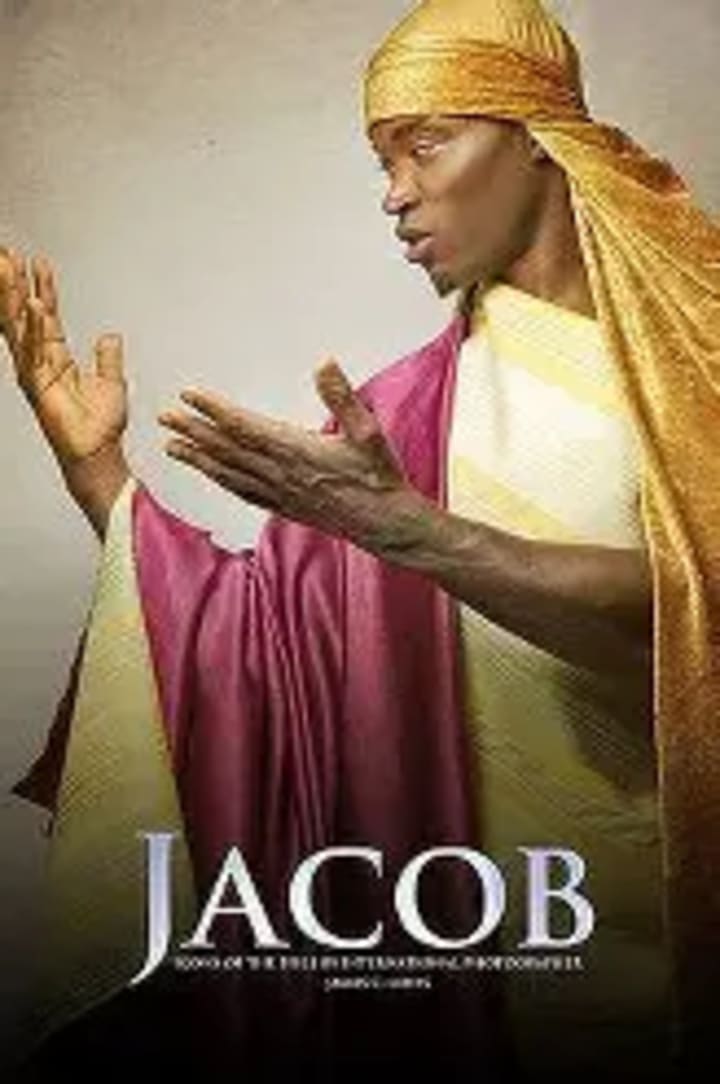
Church councils held between the 4th and 5th centuries did not invent the Bible but formalized which books were already widely used.
Key facts:
* Canon debates lasted centuries
* Some books were accepted in certain regions and rejected in others
* No single empire or ruler authored the Bible’s content
Different Christian traditions emerged with different canons that persist today.
Chapter 6: Differences in Biblical Canons
Protestant Bible
The American Protestant Bible contains fewer books than older Christian canons. This occurred during the Reformation, when certain writings were removed from common use because:
* They existed primarily in Greek rather than Hebrew
* Their theology conflicted with Reformist doctrines
### Catholic and Orthodox Bibles
These traditions preserved additional texts that Protestant communities excluded. These are often referred to as deuterocanonical books.
Ethiopian Canon
The Ethiopian Orthodox tradition preserves the largest biblical canon still in use, including texts not found in Western Bibles. This reflects Christianity’s early spread into Africa rather than later European developments.
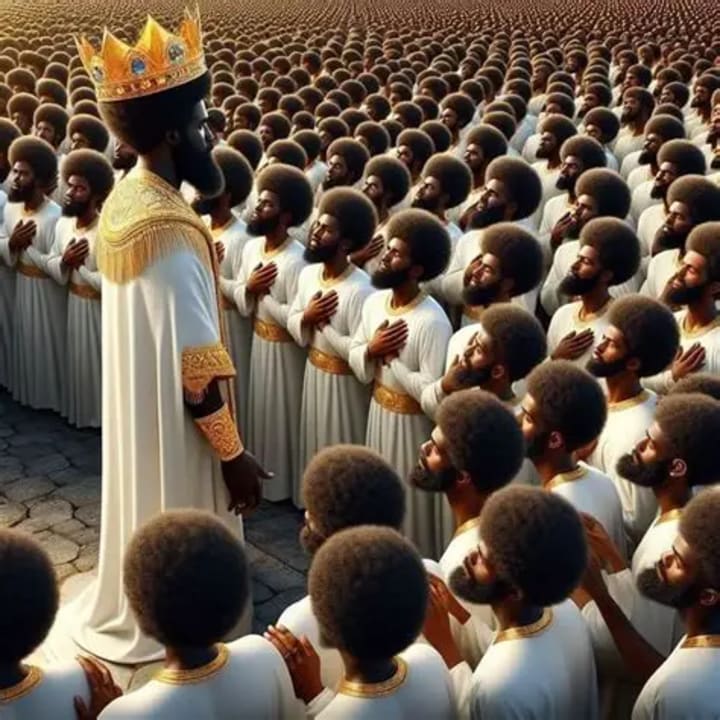
Thus, the American Bible is not “original”—it is selective, shaped by historical theology.
Chapter 7: Translation Into English
English translations emerged relatively late.
Major factors influencing translation:
* Available manuscripts at the time
* Theological goals of translators
* Political authority sponsoring the translation
* Intended audience literacy level
English translations often prioritize:
* Smooth reading
* Clear sentence structure
* Contemporary language use
These priorities sometimes result in:
* Lost cultural nuance
* Simplified metaphors
* Reduced ambiguity present in original languages
Chapter 8: Power, Politics, and Religion
Religion and political power have long influenced one another. In Europe and later America, religious texts were often aligned with:
* State authority
* Social hierarchy
* Economic systems
Translation choices sometimes reflected:
* Existing power structures
* Patriarchal norms
* Colonial ideology
This does not mean texts were invented, but emphasis and interpretation often favored obedience, order, and hierarchy.
Chapter 9: Slavery and Selective Teaching in America
During the era of transatlantic slavery:
* Enslaved Africans were often forbidden from reading
* When allowed scripture, selected passages were emphasized
* Stories of liberation were minimized or removed from instruction
This created the false appearance that the Bible itself supported slavery. In reality, the method of teaching—not the originating text—was altered.
Some enslaved communities reclaimed prohibited passages, particularly themes of freedom, justice, and deliverance.
Chapter 10: Interpretation vs. Text
A critical distinction exists between:
* What the text contains
* How the text is interpreted
Interpretation is shaped by:
* Culture
* History
* Authority
* Education
The American Bible’s meaning often reflects American values layered onto ancient texts from entirely different civilizations.
Chapter 11: African Presence in Biblical History
Biblical history frequently intersects with Africa:
* Ancient Egypt plays a central role
* Ethiopian and Cushite regions appear repeatedly
* African Jewish and Christian communities existed early
These facts challenge later racial interpretations that separated Africa from biblical heritage.
Chapter 12: Why the Difference Feels So Large
The perceived difference between ancient texts and the American Bible results from:
1. Language change
2. Cultural distance
3. Canon reduction
4. Translation philosophy
5. Historical misuse for control
6. Western interpretive dominance
The text did not change to serve oppression, but it was filtered through systems that did.
Conclusion
The American Bible is not a corrupted replacement of an original text but a historically developed translation shaped by many influences. The differences between ancient scriptures and modern English Bibles arise from language, canon decisions, political authority, and interpretation—not from a coordinated attempt to create slavery or racial domination.
Understanding this history allows readers to distinguish between faith and misuse, belief and power, scripture and interpretation. The record shows that the question is not whether the Bible was changed to harm Black people, but how it was used, filtered, and taught within unjust systems.
Truth requires context. And context restores clarity.
About the Creator
TREYTON SCOTT
Top 101 Black Inventors & African American’s Best Invention Ideas that Changed The World. This post lists the top 101 black inventors and African Americans’ best invention ideas that changed the world. Despite racial prejudice.
Keep reading
More stories from TREYTON SCOTT and writers in History and other communities.
UN Declares Transatlantic Slave Trade the Gravest Crime Against Humanity
April 2, 2026 In a watershed moment for international justice and historical accountability, the United Nations General Assembly has formally recognized the transatlantic slave trade as the gravest crime against humanity. The resolution, adopted by a vote of 123 in favor, 3 against, with multiple abstentions, marks one of the most consequential acknowledgments in the UN’s history—one that confronts centuries of denial, erasure, and unresolved harm.
By TREYTON SCOTTabout 17 hours ago in Criminal
Corinne Griffith (1894-1979)
By Brian D’Ambrosio Corinne Griffith, born November 21, 1894, in Waco, Texas, became one of the most admired figures of the silent film era, celebrated for her elegance, poise, and expressive subtlety on screen. Known as “The Orchid Lady of the Screen,” Griffith cultivated an image of refinement and emotional restraint that set her apart from her contemporaries. Beneath the Hollywood persona lay a Texas childhood shaped by her Italian ancestry and the civic prominence of her maternal family, whose accomplishments left a lasting impression on her sense of artistry, ambition, and cultural awareness.
By Brian D'Ambrosio 7 days ago in History
A Love Written in the Sands: Antarah & Abla.
In every age, there are love stories that rise beyond time, culture, and conflict—stories that continue to inspire generations. One such timeless tale comes from the golden deserts of ancient Arabia, where honor, bravery, and poetry shaped human life. It is the story of Antarah, a powerful yet rejected warrior, and Abla, a noble woman of grace and beauty. Their love was not simple or easy; it was tested by society, pride, and impossible challenges. Yet, through struggle and determination, their bond became a symbol of courage and devotion that still echoes through history today.
By hamad khan3 days ago in History



Comments (1)
Interesting and informative