
Hair Extension Color Chart
Can you show me a color chart for hair extensions and hair dyes?


If you’ve ever searched for a hair extension color chart or looked at a box of hair dye and wondered what those numbers mean, you’re not alone. The beauty world has its own language—levels, tones, and shade names—that can feel confusing at first. But once you understand the system behind professional color charts, choosing the right extensions or dye becomes much easier.
Inspired by the reflective, storytelling style often seen on Vocal Media, this guide walks you through how hair color charts actually work—and how to use them to find your perfect match.
The Universal Language of Hair Color
One thing surprised me when I first started learning about hair extensions:
most brands actually speak the same color language.
Professional stylists rely on a numbered level system to describe how dark or light hair is. This system usually runs from Level 1 to Level 10, with Level 1 being the darkest black and Level 10 the lightest blonde.
Here’s a simplified version of what that scale looks like:
Level Color Description
1 Black
2 Very Dark Brown
3 Dark Brown
4 Medium Brown
5 Light Brown
6 Dark Blonde
7 Medium Blonde
8 Light Blonde
9 Very Light Blonde
10 Platinum / Lightest Blonde
This numbering system measures depth only, meaning how dark or light the hair appears—not its undertone.
So when you see a color labeled “7”, you instantly know it falls in the medium blonde range.
Understanding Hair Color Tones
Once the level is established, the next step is tone.
Tone refers to the subtle color undertone that gives hair its personality—cool, warm, or neutral. Professional color charts often use letters to represent these tones.
Common examples include:
A – Ash (cool, smoky tones)
N – Natural (balanced tone)
G – Gold (warm blonde tones)
R – Red
C – Copper
V – Violet
A color labeled 6A, for example, would mean:
Level 6 (dark blonde depth)
Ash tone (cool undertone)
Hair extension brands often use this same approach to keep their color rings consistent and easy for stylists to read.
What Professional Color Charts Actually Look Like
When salons or extension companies show a hair color chart, they usually present it as a color ring or swatch book.
These tools allow you to:
Compare shades directly against natural hair
Identify your color level quickly
See subtle tone differences between shades
Some charts also include blended colors, such as rooted or balayage tones, which combine two or more shades to create a natural multi-dimensional look.
This is especially helpful when choosing extensions, because natural hair rarely exists as just one solid color.
Why Color Matching Matters for Hair Extensions
Color charts aren’t just educational—they’re essential for achieving a seamless blend.
Extensions that are even one level off can look artificial. Professionals typically match extensions to the mid-lengths and ends of your hair, not the roots, because that’s where the extensions will blend.
This is why many extension brands provide detailed shade guides and physical swatches.
For example, companies like Bono Hair focus heavily on realistic color systems so customers can find extensions that mimic natural hair depth and tone. Their collections often include:
Natural black and brown shades
Cool ash blondes
Warm honey and caramel tones
Rooted and balayage blends
These variations make it easier to achieve a natural look without excessive dyeing.
How to Use a Hair Color Chart at Home
If you’re choosing extensions or hair dye on your own, try this simple process:
1. Check your hair in natural daylight
Indoor lighting can distort color.
2. Identify your level first
Is your hair closer to light brown (Level 5) or dark blonde (Level 6)?
3. Look for the undertone
Does it lean warm (golden), cool (ashy), or neutral?
4. Compare with extension swatches
The closest match usually blends best.
If you’re between two shades, professionals often recommend choosing the slightly lighter option, since extensions can be toned or low-lighted more easily than they can be lightened.
The Takeaway
Hair color charts may look complicated, but they’re built on a simple idea:
separating depth (level) from tone.
Once you understand those two elements, every color label—from salon dyes to hair extensions—starts to make sense.
Whether you’re experimenting with hair dye or exploring extensions from brands like Bono Hair, learning to read a color chart gives you the confidence to choose shades that blend naturally and elevate your overall look.
About the Creator
Alex Morgan
Written by Bono Hair’s content team — experts in professional hair replacement solutions and advocates for confidence, authenticity, and self-expression through modern hair systems.
Keep reading
More stories from Alex Morgan and writers in Styled and other communities.
Can I see real examples of hair extension colors before buying?
Before You Buy Hair Extensions: How to See Real Color Examples (And Avoid the Most Common Matching Mistake) Buying hair extensions online can feel a little like shopping for paint without seeing the wall first. Photos look perfect. Lighting is flattering. The shade names sound convincing—“Honey Blonde,” “Chestnut Brown,” “Soft Ash.”
By Emma Smith3 days ago in Styled
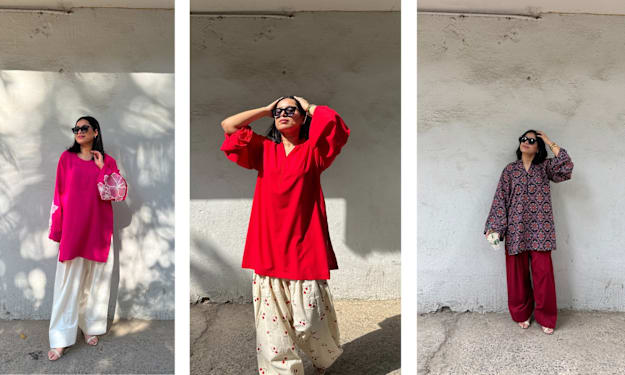
The Gentle, Soothing Charm of Farshi Salwar Often Overlooked
Farshi salwar is quietly making a comeback in today’s fashion space, and it’s easy to see why. At a time when people are moving towards comfort-led clothing, this traditional style feels more relevant than ever. It brings together softness, ease, and elegance in a way that very few outfits can.
By Pakistani fashion7 days ago in Styled
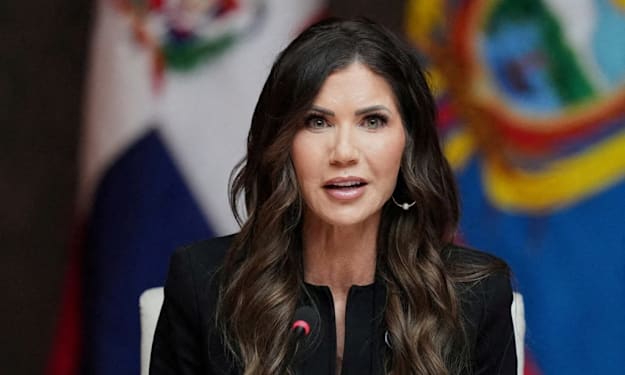
Kristi Noem is MELTING!!!!!
Former Homeland Secretary/"Ice Barbie" Kristi Noem is melting with scandals, not she is dealing with a cheating affair with one of the aides, killing her puppy, her own supportive husband Byron Noem is being exposed as a crossdresser, talking with fetish's Bimbos and paying them thousands of dollars. Kristi Noem's husband was exposed by the Dailymail this week exposing photos of Byron wearing and flaunting big gigantic balloon faux ta-tas, wearing paded shorts, and pouting his duck lips like it's 2013.
By Gladys W. Muturi6 days ago in The Swamp


Comments
There are no comments for this story
Be the first to respond and start the conversation.