The Whale
This reflection contains spoilers
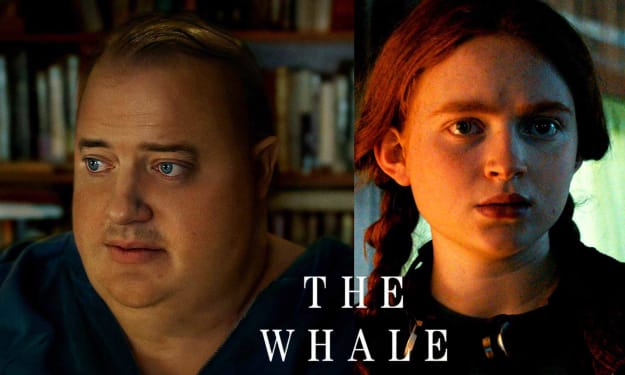
Last week, I trotted off lightheartedly to the cinema to see Darren Aronofsky’s The Whale, knowing little about it beyond that Brendan Fraser’s performance as Charlie had received critical acclaim. I left the cinema shaking, with tears streaming down my face, and spent the rest of the evening replaying as much of it as I could remember, as well as poring over professional reviews and comment threads on various websites. A story of grief, love, self-loathing and addiction and a sliver of hope, The Whale is an intensely intimate and tragic glimpse into the complicated nuances of being human, the ripple effects of our choices, and the impacts we have on each other’s lives. I have read criticisms that this film reduces Charlie to little more than his size, and that the film is too dramatic. I disagree. Charlie’s size is of critical importance as it is a direct result of his crippling addiction, and the reasons for his addiction are what have propelled him to the place where we find him now: dying, and desperate to reconnect with his angry, estranged daughter. A story of this nature is inherently difficult to watch and necessarily contains dramatic elements, and Aronofsky skilfully plunges us into these realities and forces us to uncomfortably find elements of ourselves in the characters onscreen.