Figures
Shuntaro Hida: A Lifelong Advocate Against Nuclear Weapons and Survivor of Hiroshima
Shuntaro Hida (January 1, 1917 – March 20, 2017) was a prominent Japanese physician, Hiroshima atomic bomb survivor, and tireless advocate against nuclear weapons. Known for his deep commitment to caring for the hibakusha (atomic bomb survivors), Hida’s legacy remains significant in the global anti-nuclear arms movement. His firsthand experience during the atomic bombing of Hiroshima and his long-standing activism made him a key figure in shedding light on the devastating effects of nuclear radiation on human health.
By Marveline Merababout a year ago in History
Claudette Colbert: A Luminary of Hollywood's Golden Age
Claudette Colbert, born Emilie (Lily) Claudette Chauchoin on September 13, 1903, in Saint-Mandé, France, is remembered as one of Hollywood's most iconic actresses. With a career spanning over three decades, Colbert's charm and versatility captivated audiences worldwide, making her a leading figure in American cinema during the 20th century.
By Marveline Merababout a year ago in History
Mohandas Gandhi: The Father of Nonviolent Resistance
Mohandas Karamchand Gandhi, commonly known as Mahatma Gandhi, was a pivotal figure in the struggle for Indian independence from British rule. His advocacy for satyagraha (truth-force or nonviolent resistance) has made him one of the most influential leaders in modern history. Gandhi’s philosophy of nonviolence, deeply rooted in his personal belief in truth and justice, not only shaped the course of India’s independence movement but also inspired civil rights movements worldwide, particularly in the United States.
By Marveline Merababout a year ago in History
This 100-Year-Old Corpse Blinks Twice Every Day: Rosalia Lombardo
What do Arnold Vosloo, Saint Teresa of Calcutta, the boy king Tutankhamun, the woman who forcibly ejected you from her body on the day you were born, and Ötzi the Iceman have in common? That's right— they're all mummies! While we’re particularly interested in the soft-tissue-preserved variety of mummies in this tale, I assure you, your mum’s not included.
By Marveline Merababout a year ago in History
Has JFK's Real Assassin Finally Been Revealed?
The assassination of John Fitzgerald Kennedy in November 1963 stands as one of the most defining moments of the 20th century. It’s a “where were you when it happened” kind of event, akin to 9/11 and the moon landing. The President of the United States of America is among the most powerful individuals on the planet, but for JFK, that power was stripped away in an instant with the pull of a trigger. This tragic event not only shocked the world but also became a magnet for conspiracy theories, turning the assassination into one of history’s most scrutinized and debated incidents.
By Marveline Merababout a year ago in History
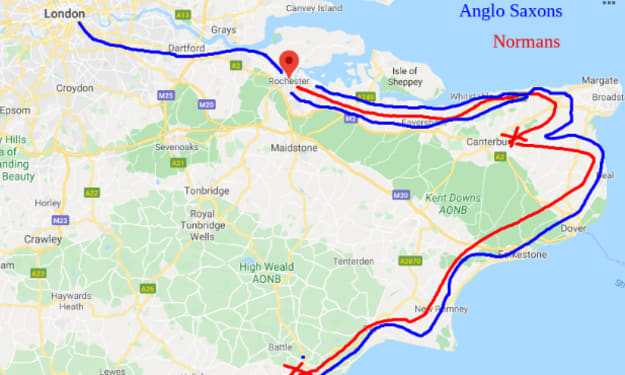
The Journey to Rochester. Content Warning.
After the win at Stamford Bridge, I was confident our militia was strong enough to take on the Duke of Normandy. Yet, here I lay in the wake of the Battle of Hastings, with regret, defeat, and anger in my heart. The battlefield drenched with the blood of 10,000 Anglo-Saxon and Norman men, King Godwinson among them. For a moment, I allow my mind to sink into darkness. Perhaps I should join my countrymen in death; perhaps it’s all my fault; perhaps William really is a conqueror. Soon after, my salvation arrives—a boy dressed in anxiety, clenching a piece of paper. With a soft voice, he asks if I'm Lieutenant Edmond. Reluctantly, I reply, “Yes,” and he hands me the letter.
By Stephanie Fineourabout a year ago in History
The Legacy of Mary Shelley
Mary Shelley, born Mary Wollstonecraft Godwin on August 30, 1797, in London, is best remembered for her groundbreaking novel Frankenstein; or, The Modern Prometheus. This 19th-century British writer led a life marked by tragedy, intellectual restlessness, and a prolific creative mind. Though she is celebrated primarily for Frankenstein, Shelley’s legacy extends far beyond her most famous work, encompassing a diverse literary career that has cemented her place as one of the most influential figures in English literature. Mary Shelley was born into an intellectually vibrant household. Her mother, Mary Wollstonecraft, was a prominent philosopher and advocate for women's rights, while her father, William Godwin, was a political philosopher and writer. Sadly, her mother died of complications shortly after Mary’s birth, leaving her to be raised by her father, who nurtured her with a rich education in literature and philosophy. This intellectual environment helped foster Mary’s early passion for writing.
By A Históriaabout a year ago in History
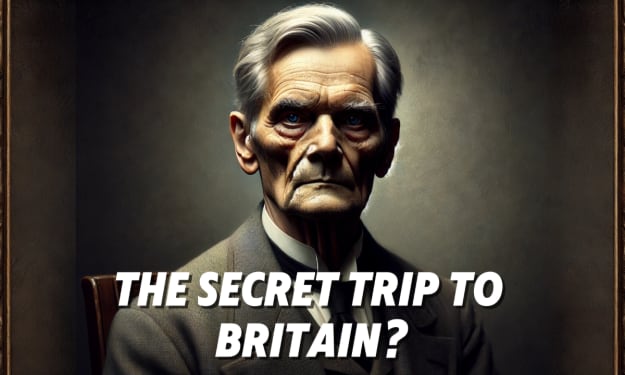
Why Did Hitler's Right-Hand Man Make a Secret Trip to Britain? The Curious Case of Rudolf Hess
On August 17, 1987, a frail 93-year-old man stood in his summer house, unplugging a lamp from the table. With trembling hands, twisted by arthritis, he wrapped the extension cord around the latch of a nearby window. He carefully made a loop at the other end of the cord, placed it around his neck, and let his body fall slowly to the floor. Within minutes, the noose tightened, and his life slipped away.
By Marveline Merababout a year ago in History
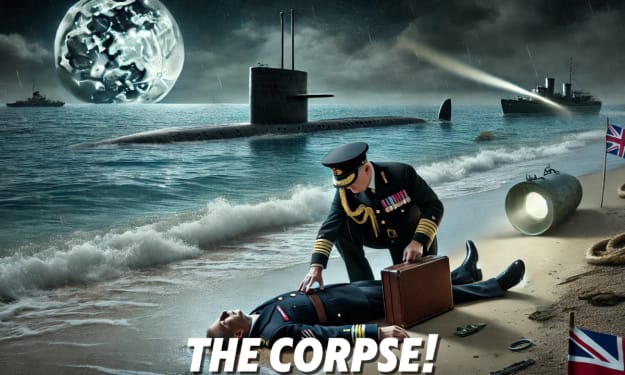
How the Nazis Lost the War Because of a Single Corpse: Operation Mincemeat
Beaches are known for the random odds and ends that get washed up: seashells, seaweed, driftwood, empty plastic bottles, and the occasional oddity. But in 1943, a fisherman on the southern coast of Spain stumbled upon something far more unexpected—a dead body dressed in the uniform of a British Royal Marine, carrying a briefcase full of top-secret documents.
By Marveline Merababout a year ago in History
The Greatest Sniper Who Ever Lived: Simo Häyhä, The White Death
On April 1, 2002, a 96-year-old man quietly passed away in a retirement home on the southern coast of Finland. Standing only five feet tall, he had shrunk further with age, and he lived a quiet life as a farmer, never marrying or having children. Known simply as Simo to the few who called him a friend, this humble man had lived an extraordinary life, though few knew it.
By Marveline Merababout a year ago in History
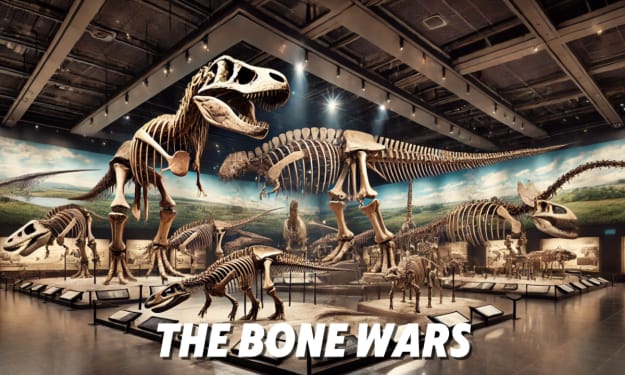
Why Was There a War Over Dinosaur Bones? The Bone Wars
When you hear the phrase “thunder lizards,” what comes to mind? Probably some massive, lumbering reptile that shakes the earth with every step. And you'd be right—well, mostly. The Brontosaurus, or "thunder lizard" in Greek, was one of the largest creatures to ever roam the Earth, measuring around 23 meters long with a neck to match and a tail that seemed to go on forever.
By Marveline Merab2 years ago in History